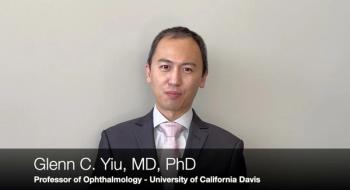
Glenn C. Yiu, MD, PhD, from the University of California David, shared insights from his presentation on suprachoroidal drug delivery in the real world at this year's AAO meeting held in Chicago, Illinois.
Glenn C. Yiu, MD, PhD, from the University of California David, shared insights from his presentation on suprachoroidal drug delivery in the real world at this year's AAO meeting held in Chicago, Illinois.
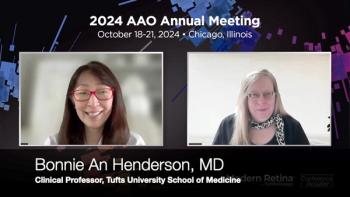
Henderson’s presentation touches on the shift in medical education from traditional learning to AI and robotics.
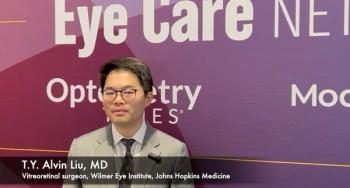
During a conversation at the American Academy of Ophthalmology annual meeting in Chicago, T.Y. Alvin Liu, MD, discussed plans for the James P. Gills Jr., MD, & Heather Gills Artificial Intelligence Innovation Center at the Wilmer Eye Institute at Johns Hopkins Medicine.
In a presentation at the American Academy of Ophthalmology annual meeting in Chicago, T.Y. Alvin Lu, MD, a retina specialist at Johns Hopkins Medicine, discussed the application of large language models (LLMs) in revenue cycle management (RCM).
Dr. Arepalli discussed a course focused on ocular conditions related to pregnancy and postpartum care, presented at the American Academy of Ophthalmology (AAO) meeting.
According to a study presented at the American Academy of Ophthalmology’s annual meeting in Chicago, investigational treatment reduced vision loss and protected key structures in the eye essential for vision.
Michael Singer, MD, shared insights from on his experience using a preservative-free, chloroprocaine ophthalmic gel as anesthesia for intravitreal injections and the results of research on the effectiveness of gel versus traditional drops.
Alexander Fein, MD, spoke with the Eye Care Network to share how to approach a patient presenting with transient vision loss, what this type of vision loss can mean, and what additional testing might be needed to determine the best plan for care.
Meghan Berkenstock, MD, an associate professor of ophthalmology at the Wilmer Eye Institute, provides insights on paper from the uveitis free paper section of AAO 2024, about the use of TriNetX database to assess for the incidence and prevalence of both uveitis and its complications.
Christine N. Kay, MD, discussed her presentation, "Deuterated vitamin A preserves vision in Stargardt’s disease (TEASE study)" which was given at this year's American Academy of Ophthalmology meeting held in Chicago, Illinois.
Christina Y. Weng, MD, MBA, shared insights from recent publications on teleretinal screenings for diabetic retinopathy. She will be presenting an overview of these findings at the annual American Academy of Ophthalmology meeting being held in Chicago, Illinois during a talk entitled, "The use of teleretinal screening for diabetic retinopathy."
Adam Muzychuck, MD, FRCSC, sat down to discuss his presentation on the defocus curve performance of trifocal IOLs and the outcomes of the near activity vision questionnaire given to patients implanted with the Envy full range of vision IOL at this year's American Academy of Ophthalmology meeting held in Chicago, Illinois.

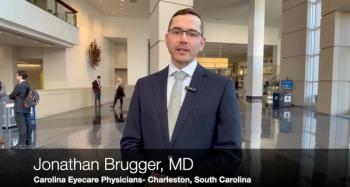
At this year's American Academy of Ophthalmology (AAO) meeting, Jonathan Brugger, MD, spoke about the changing approach to epimacular membranes and the use of brilliant blue in the procedure.
In an interview with Ophthalmology Times, Quan Dong Nugyen, MD, MSc, discusses ongoing research into Tinlarebant, an investigational drug being studied as a treatment for Stargardt disease in adolescents.
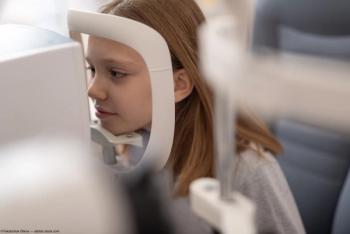
The investigators conducted a study in which they evaluated the retinal structure in patients with ametropic amblyopia and then correlated it with the final visual acuities achieved after 6 months of follow-up using a multimodal imaging approach.
Abdelrahman Elhusseiny, MD, MSc, sat down with David Hutton of Ophthalmology Times to discuss his presentation on the risk of posterior capsular rupture in fellow eyes of cataract surgery at this year's American Academy of Ophthalmology meeting being held in Chicago, Illinois.

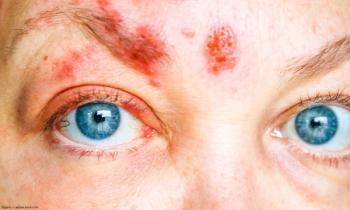
New research presented at the American Academy of Ophthalmology’s Cornea Subspecialty Day is part of the part of the 8-year Zoster Eye Disease Study.

How cell phone use can affect student retention and attention in the classroom.

This initiative is supported by a $5 million grant from the Knights Templar Eye Foundation.

A home self-imaging device can provide ophthalmologists with actionable insight between office visits for AMD
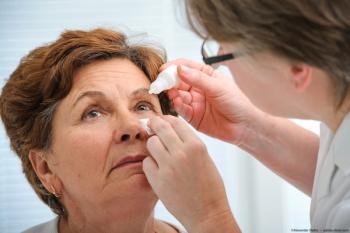
According to the company, there are no FDA-approved pharmacological therapies for age-related cataracts. Its C-KAD eye drop, improves vision in patients with early-to-moderate cataracts, by penetrating the eye to reduce lens clouding, the main cause for cataracts.

A large study performed in Canada analyzed data and found that patients are at higher risk of multiple possible complications after cataract surgery.
Thomas Aaberg, Jr, MD, Neurotech's Chief Medical Officer, shared some insights on the company's recent presentation as well as their upcoming presentations at the annual American Academy of Ophthalmology meeting being held in Chicago, Illinois.
Steven Yeh, MD, discussed his recent presentation at the Retina Society meeting and shared what he is looking forward to presenting at this year's American Academy of Ophthalmology meeting held in Chicago, Illinois.

The annual American Academy of Ophthalmology meeting will include notable data and announcements for many companies in the ophthalmic space as they discuss upcoming and ongoing clinical trials as well as corporate and product developments.

According to data presented this week at the 128th annual meeting of the American Academy of Ophthalmology, being held in Chicago, about three-quarters of medication volume remains in multiuse eye drop bottles tossed in the garbage well before FDA-regulated expiration dates.