

Opinion|Videos|December 9, 2025
Managing Fovea-Threatening Bilateral Geographic Atrophy in a Highly Independent 90-Year-Old Patient
Author(s)Hasenin Al-khersan, MD
Explore the complexities of treating geographic atrophy in elderly patients, focusing on individualized care and decision-making strategies.
Advertisement
Episodes in this series
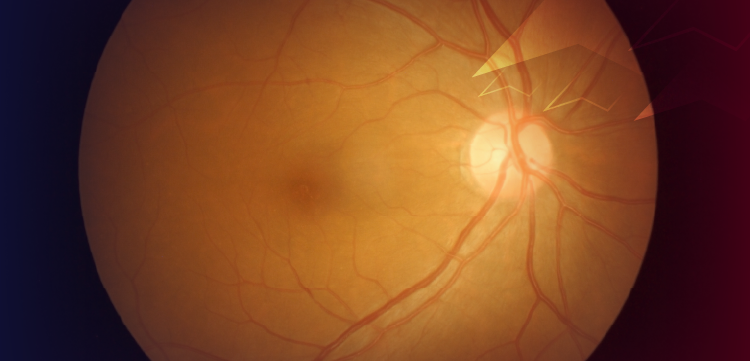
In this segment, the expert faculty reviews a case of a 90-year-old woman presenting with progressive visual decline and functional impairment due to geographic atrophy (GA). Using OCT and autofluorescence imaging, they highlight hallmark findings—including hypertransmission defects, drusen, RPE disruption, and photoreceptor loss—demonstrating fovea-adjacent atrophy in the right eye and early involvement in the left. The panel discusses key management considerations: whether to treat one or both eyes, how age and functional status influence decision-making, and how lesion proximity to the fovea shapes urgency.
They emphasize initiating therapy in the worse eye first to mitigate risk should inflammation occur, with close follow-up before expanding treatment bilaterally. The case underscores the importance of shared decision-making, cautioning clinicians not to assume treatment burden intolerance based on age alone. The faculty demonstrates how individualized assessment—guided by imaging, patient goals, and functional needs—optimizes GA management.
Advertisement
Related Content
Advertisement





Latest CME















Advertisement
Advertisement