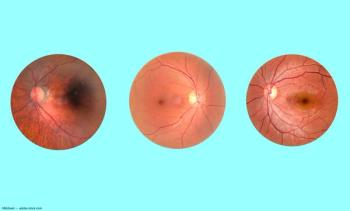
ChatGPT-4 (OpenAI) had an overall “fair” performance when answering multiple-choice ophthalmic questions unrelated to multifocal imaging.
Lynda Charters Enoch started her early “eye life” at the Schepens Eye Research Institute, Boston, which ultimately culminated in her current position as an Editor of Ophthalmology Times.
ChatGPT-4 (OpenAI) had an overall “fair” performance when answering multiple-choice ophthalmic questions unrelated to multifocal imaging.
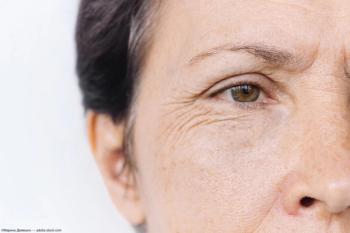
Early detection of the disease is key to optimal patient outcomes

Day 2 program of the 2024 COPHy conference.

The 2024 15th annual Controversies in Ophthalmology Congress will convene March 15 and 16 in Athens, Greece.

Lowe syndrome, a genetic disease, affects about 1 in 500,000 people in the general population.
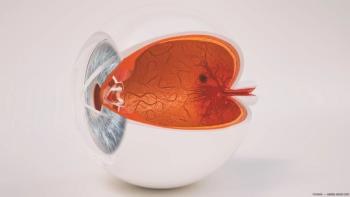
RVO can significantly reduce vision-related quality of life, particularly in more severe cases.

The authors suggested genetic mutation may relax the body’s defences and allow harmful bacteria to reach the eye.
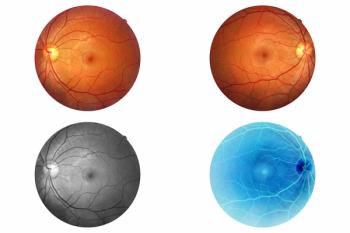

The treatment is a minimally invasive intravitreal injection that can be performed with a topical anesthetic.
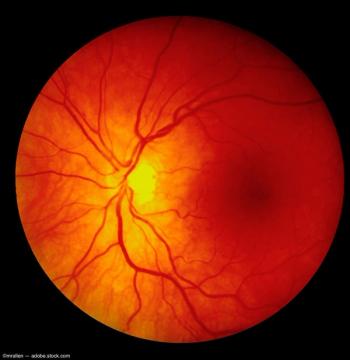

AI matched and outshone human specialists.

A new study shows that much of an older person with visual impairment's physical activity is achieved at home. Improved home lighting can help increase those at-home activity rates.
New treatments for geographic atrophy coming down the pike has the potential to change eye care providers' approach to identifying and managing the disease.

The prevailing message is that physicians have “a long way to go” in the optimization of management and prevention of myopic vitreoretinal disease.
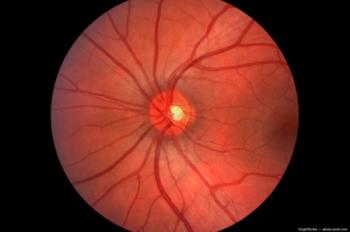
Central retinal artery occlusion is characterized by painless, sudden vision loss in one eye, which may be a sign of an eye stroke.

The study further defined the relationship between delayed rod-mediated dark adaptation and the status of outer retinal bands on optical coherence tomography.
A new study found that only a little over half of school-aged children participants underwent vision screening within the past two years, highlighting gaps in eye care access.
Elodie Bousquet, MD, PhD, and international researchers studied type 3 macular neovascularization (T3 MNV) using optical coherence tomography. In 64.5% of 31 eyes with T3 MNV, it developed over soft drusen, showing drusen growth and outer layer thinning before T3 MNV.

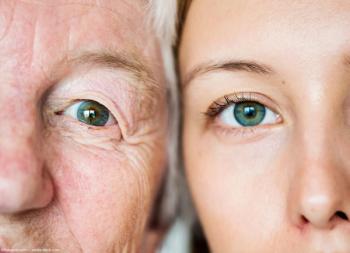
EODM may be an ideal candidate for development of complement gene therapy due to the high-impact genetic variants.
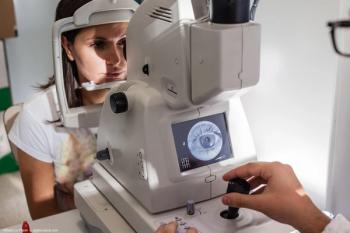
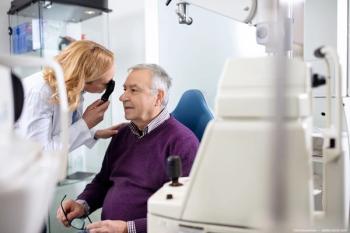

The study also pointed out the insight into the genes and biologic pathways that determine retinal health, which could be leveraged to develop future therapies.

The afternoon sessions promise to be engaging and informative in this virtual conference.

This meeting, scheduled for Saturday, February 3, 2024, is a 1-day virtual event sponsored by the Bascom Palmer Eye Institute, Miami, University of Miami Health System.
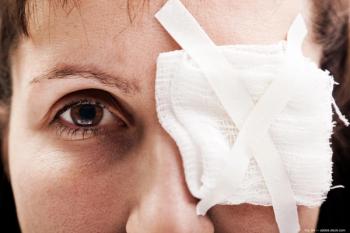
Leanne Clevenger, MD, described a case that highlights varying approaches and protocols for addressing a complex case of retinal detachment repair in a patient with trauma to the globe.
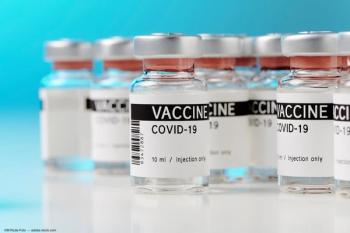
A recent study found that despite worldwide reports of ocular inflammatory events being reported after patients received COVID-19 vaccinations, a low amount has been reported in the UK.