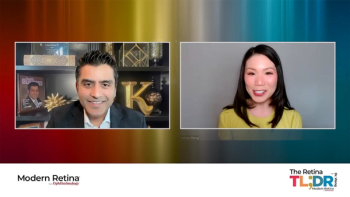
In the latest episode of The Retina TL;DR, host Christina Y. Weng, MD, MBA, FASRS, talks with Dr. Khanani about new retinal gene therapy trials, covering safety, delivery, and ways to reduce treatment burden.
In the latest episode of The Retina TL;DR, host Christina Y. Weng, MD, MBA, FASRS, talks with Dr. Khanani about new retinal gene therapy trials, covering safety, delivery, and ways to reduce treatment burden.

Early clinical experience highlights considerations for patient selection, surgical technique, and long-term monitoring in retinal disease.

Under the US agreement, OPUVIZ (aflibercept-yszy), a biosimilar to Eylea (aflibercept) 2 mg, may launch in January 2027.

The 22nd International Scientific Symposium on Ophthalmic Imaging will take place September 18 to 19, 2026 in Singapore, featuring sessions on multimodal imaging, OCT, AI, and next-generation imaging technologies.
The group recommends more precise language such as “physicians” and “clinicians” to reflect medicine’s humanistic and professional responsibilities.

The results of a multicenter controlled clinical trial showed that the device resulted in “a significant improvement in visual acuity (VA) from baseline to month 12.

The deal will see MeiraGTx assume development rights to ZipBio’s experimental therapies targeting the complement pathway in geographic atrophy (GA).


Tenpoint Therapeutics’ YUVEZZI, projected to launch in the US in Q2 2026, represents the first fixed-dose combination eye drop developed to enhance near vision through pupil modulation with once-daily administration.

Optoretinography is an emerging technology used to test light-evoked photoreceptor activity.

Imaging and biomarkers are driving earlier, more individualized GA treatment

The JADE clinical study enrolled more than 160 patients with diabetic macular edema (DME) or wet (neovascular) age-related macular degeneration (wAMD).
When no retina podcast was available, Jayanth Sridhar, MD, created one—and learned lessons about branding, bandwidth, and mentorship along the way.

Researchers uncover a DNA repair mechanism in Greenland sharks that preserves their vision for centuries, offering insights into longevity and eye health.

Strategies for treatment intervals, drug selection, and patient expectations.
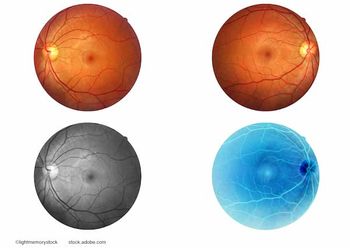
David S. Boyer, MD, outlines changes in GA evaluation, the role of complement inhibition, monitoring for neovascular conversion, and emerging therapies.

Nanoscope's new patent enhances its innovative MCO technology, promising vision restoration for retinal degeneration with strong safety results and market potential.
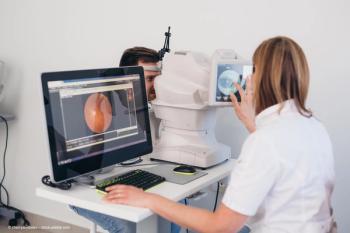
A recent study represents a step forward in investigations of the retinal layers as they are affected by glaucoma.

The Part B dose-expansion portion is evaluating SB-007 for the treatment of Stargardt disease.

The Investigational New Drug (IND) application from Complement Therapeutics for CTx001 was previously approved by the FDA in October 2025.

A trio of retina specialists recently reviewed the clinical benefits of aflibercept 8 mg, including its extended dosing intervals, improved patient satisfaction, and enhanced treatment outcomes for various conditions.

Knowing what’s on the market for AMD and GA aids in preserving vision.

The pandemic reshapes treatment intervals for neovascular AMD, revealing flexible strategies that maintain visual outcomes and enhance patient care.
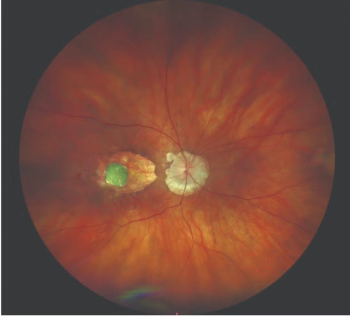
The novel system converts light into electrical signals to stimulate retinal cells.

The company did not receive the necessary stockholder votes to approve the merger agreement with Alcon at the Special Meeting of Stockholders held on January 6, 2026.

Advancements in macular laser therapy, emphasizing standardization, precision delivery, and innovative treatment strategies for retinal conditions.
Explore early MacTel diagnosis with OCT/FA, who qualifies for Encelto implant, and how costs, reimbursement, and surgery shape timely retina care.
For Jordan M. Graff, MD, FACS, early adoption is about reigniting the thrill of discovery and navigating the rewards, risks, and realities of translating innovation into practice.

The FDA noted in the letter that it is unable to approve the application for ONS-5010/LYTENAVA (bevacizumab-vikg) in its current form for the treatment of wet AMD.