

New clinical trials reveal PER-001 as a new treatment for glaucoma and diabetic retinopathy, showing significant vision improvements and safety.

Lynda Charters Enoch started her early “eye life” at the Schepens Eye Research Institute, Boston, which ultimately culminated in her current position as an Editor of Ophthalmology Times.
New clinical trials reveal PER-001 as a new treatment for glaucoma and diabetic retinopathy, showing significant vision improvements and safety.

Through the program, gene therapies are developed to treat patients with retinitis pigmentosa caused by pathogenic variants in the MERTK gene.

Patients are highly motivated to slow disease progression with GA drugs and healthy lifestyle.

Breye Therapeutics advances danegaptide, a novel oral therapy for non-proliferative diabetic retinopathy, showing promise in early clinical trials.

Modern Retina’s recent Case-Based Roundtable focused on next-generation treatments for retinal disease that provide advanced care for neovascular age-related macular degeneration (nAMD) and diabetic macular edema (DME).

A new study from China revealed a genetic link between coffee consumption and age-related macular degeneration (AMD).

The LYNX LIO is the latest generation of pattern scanning lasers that were first introduced in 2006.

Investigators take an in-depth look at all aspects of the technology.


Brazilian regulatory authority ANVISA grants marketing authorization for Ranivisio.

Gore recently launched its silicone-free GORE IMPROJECT Plunger for 0.5-mL pre-filled syringes for the delivery of ophthalmic drugs.

Retinal vascular change or degeneration already has been associated with Alzheimer and Parkinson disease, and the findings suggest that neurologic diseases impact ocular health.

The drug has been reported previously to cause neuropathy and hypersensitivity reactions in breast cancer patients.

New analysis reveals the ellipsoidal zone's role in predicting geographic atrophy progression, enabling timely interventions to protect photoreceptors.

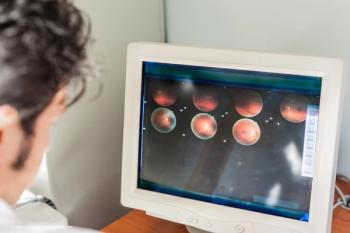
New research links diffuse-trickling patterns in fundus autofluorescence to increased ellipsoidal zone loss, highlighting potential biomarkers for rapid geographic atrophy progression.

The results of an investigation into iRORA identified a wide spectrum of fundus autofluorescence patterns that corresponded with iRORA lesions and that those patterns were associated with conversion to cRORA over time.

A recent analysis reveals a strong link between photoreceptor health and visual function in geographic atrophy, emphasizing the importance of EZ integrity.

A recent study reveals how geographic atrophy affects patients' vision and quality of life, highlighting their coping strategies and need for better resources.
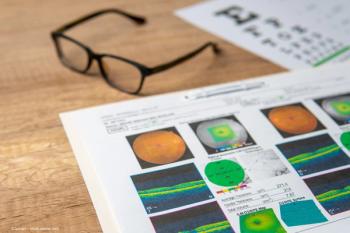
The biomarkers are especially crucial for patients with lupus nephritis.

Post hoc analysis of GATHER1 and GATHER2 showed that reduced EZ-RPE central subfield thickness is a strong predictor of greater future vision loss.

Machine learning algorithms enhance retinopathy of prematurity screening using smartphone images, expanding access in low-resource settings and easing pediatric ophthalmologist workloads.


New research reveals subretinal drusenoid deposits as potential indicators of serious heart disease, highlighting the need for ophthalmologists to screen patients effectively.

Opus Genetics reveals promising 1-year results from OPGx-LCA5 gene therapy, showing sustained vision improvements in adults with LCA5 retinal degeneration.

A large international study reported a genetic link between schizophrenia and retinal status.

A two-way foot bridge between eye care and mental health.

Brazilian researchers used swept-source OCT and OCT-angiography to study the effects of an initial dose of aflibercept on untreated diabetic macular edema in patients.


Novel color created, olo, beyond previous human perception.