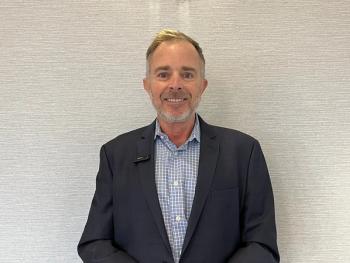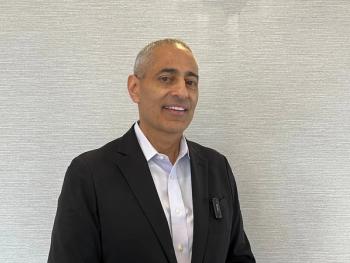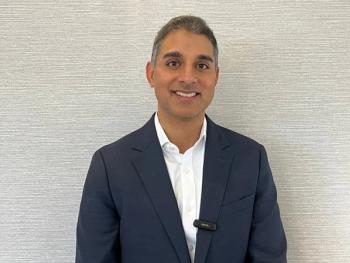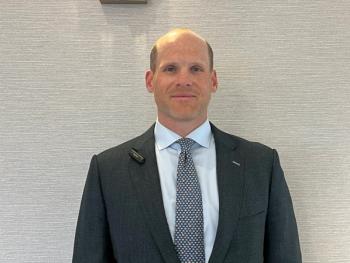
Abby Markward, MBA, executive director of the ASCRS Foundation and the ASOA, provides a sneak peek of the posterior segment-focused event.

Abby Markward, MBA, executive director of the ASCRS Foundation and the ASOA, provides a sneak peek of the posterior segment-focused event.

Panelists discuss how longer-acting treatments will enable extended intervals between visits while requiring careful adjustment of monitoring protocols and clinic workflows to balance reduced treatment burden with maintaining adequate disease surveillance.

The 15th annual meeting, taking from March 24–28 in Snowmass, Colorado, will deliver high-impact discussions on macular disease, artificial intelligence in ophthalmology, and breakthrough therapies—plus opportunities for networking on and off the slopes.

Panelists discuss how loading doses remain crucial for treatment-naive patients to achieve rapid disease control, while patients switching therapies may require modified approaches based on their prior treatment response and disease activity.

Panelists discuss how real-world evidence provides crucial insights into treatment effectiveness across diverse patient populations and clinical settings while highlighting challenges in maintaining clinical trial protocols’ stringent adherence and monitoring in everyday practice.

Panelists discuss how both medications demonstrate favorable safety profiles in clinical trials, with aflibercept 8 mg benefiting from extensive 2-mg safety data, while acknowledging the need to monitor intraocular pressure due to increased injection volume, particularly in at-risk patients.

Panelists discuss how faricimab’s dual inhibition of Ang-2 provides additional benefits in vascular stability and inflammation reduction beyond VEGF-A suppression alone, potentially leading to improved durability and treatment outcomes in selected patients.

Panelists explore how the introduction of tyrosine kinase inhibitors (TKIs) could affect the perceived benefits of the port delivery system, as these agents may offer an alternative approach to reducing injection burden while potentially providing broader therapeutic effects.

Panelists discuss how novel intravitreal agents faricimab and high-dose aflibercept 8mg offer potential advantages in treating retinal diseases through their extended durability and dual mechanism of action.

Panelists discuss how faricimab’s bispecific antibody design uniquely targets both VEGF-A and Ang-2 pathways, addressing the complementary role of Ang-2 in vascular destabilization and inflammation in retinal diseases.

Panelists discuss how careful patient selection and management of potential complications - including surgical risks, device-related adverse events, and cost-benefit considerations requiring operating room resources - are crucial factors in successfully implementing the port delivery system in clinical practice.

Panelists discuss how ideal candidates for aflibercept 8 mg include patients with stable disease on current anti-VEGF therapy who seek reduced treatment burden, newly diagnosed patients, and those demonstrating good response to initial loading doses.

Panelists discuss how the port delivery system (PDS) refill procedure, while performed in an office setting, involves a different technique of accessing and replenishing the implant’s drug reservoir through the conjunctiva and requires specialized training compared with standard intravitreal injections.

Panelists discuss how the Port Delivery System (PDS) presents important considerations around adverse effects, patient selection criteria, and adoption challenges including surgical requirements and cost-benefit analyses that must be carefully weighed when integrating this technology into retinal practice.

Dr Jordan Graff highlights key steps in implanting the port delivery system, emphasizing incision and closure techniques with video clips.

Panelists discuss how the phase 3 PULSAR and PHOTON trials demonstrated the efficacy of aflibercept 8 mg through a design comparing 12- and 16-week dosing intervals to the aflibercept 2 mg standard 8-week dosing, with primary end points assessing noninferiority in visual acuity maintenance.

Panelists discuss how patients experiencing frequent anti-VEGF treatment burdens with 4- to 8-week intervals between injections are ideal candidates for PDS as an alternative delivery method.


Panelists discuss how the aflibercept 8 mg higher molecular concentration enables extended durability through increased VEGF binding capacity and longer intraocular drug levels, potentially allowing for less frequent dosing while maintaining efficacy.

Panelists discuss how successful implementation of the port delivery system requires careful attention to surgical technique during both initial implantation and subsequent refill procedures, with specialized training and protocols that differ significantly from standard intravitreal injections in terms of procedural steps, sterility requirements, and patient preparation.

Panelists discuss how patients experiencing a high treatment burden with frequent anti-VEGF injections every 4-8 weeks are optimal candidates for the port delivery system, which can help reduce their number of clinic visits while maintaining therapeutic effectiveness.

Panelists discuss how the port delivery system (PDS) with ranibizumab represents a paradigm shift in neovascular AMD treatment by utilizing a surgically implanted refillable device that provides continuous medication delivery for 6 months, offering patients a preferred alternative to frequent intravitreal injections while ensuring consistent therapeutic levels.

Panelists discuss how surgeons must complete specialized training and certification through the risk evaluation and mitigation strategy program to perform port delivery system implantation, which requires a sterile operating room environment and specific surgical instruments designed for the procedure.

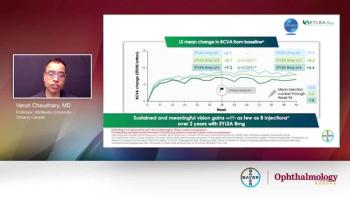
Panelists discuss how aflibercept 8 mg demonstrates improved durability and maintenance of visual gains compared with 2-mg dosing, potentially reducing treatment burden while maintaining a similar safety profile.

Panelists discuss how successful port delivery system (PDS) implantation requires careful patient selection and meticulous surgical technique to minimize complications like vitreous hemorrhage and endophthalmitis, with certain patients being poor candidates due to factors such as active inflammation, thin sclera, or glaucoma filtering devices.

Panelists discuss how treat-and-extend dosing with aflibercept 2 mg allows for individualized treatment intervals while maintaining vision gains. However, optimal extension timing must be carefully determined based on disease activity markers.

Panelists discuss how the port delivery system (PDS) is a permanent, refillable ocular implant that continuously releases ranibizumab into the vitreous, with the Archway trial demonstrating noninferior vision outcomes compared with monthly ranibizumab injections while reducing treatment burden through 6-month refill intervals.

Panelists discuss how the chronic nature of retinal diseases requires consistent VEGF suppression through regular anti-VEGF injections, but this treatment burden leads to challenges including patient compliance, health care resource strain, and quality of life impacts from frequent office visits.

A panelist discusses novel treatments for retinal vascular diseases, including faricimab, aflibercept, and port delivery system with ranibizumab.

Panelists discuss how aflibercept’s molecular structure contributes to its clinical efficacy as a standard treatment for retinal vascular diseases.